
Hydraulic Maintenance Guide for Waste Compactors
How to Maintain Waste Compactor Hydraulic Systems
Hydraulic systems are the muscle behind every waste compactor. They generate the force needed to compress waste, keep cycle times consistent, and ensure the machine operates safely under heavy load.
But when a hydraulic system starts failing, the compactor becomes expensive fast. Most sites first notice oil leaks, reduced compaction force, slow or uneven cycles, overheating, or pump noise. If those early signs are ignored, the result is usually breakdowns, production delays, and high repair bills.
The good news is that hydraulic issues in waste compactors are usually predictable and preventable. With consistent inspections, clean oil, proper filtration, and early leak repair, you can dramatically reduce downtime and extend the life of pumps, valves, and cylinders.
This guide focuses on what operators and maintenance teams actually search for: what to check, common hydraulic faults, service intervals, and practical steps to keep your compactor running reliably.
The Main Hydraulic Components You Need to Maintain
Waste compactor hydraulic systems aren’t complicated, but there are a few components that cause most hydraulic problems.
The hydraulic power unit (HPU) contains the motor, hydraulic pump, oil reservoir, and filters. This is where pressure and flow are generated, and where overheating issues often start.
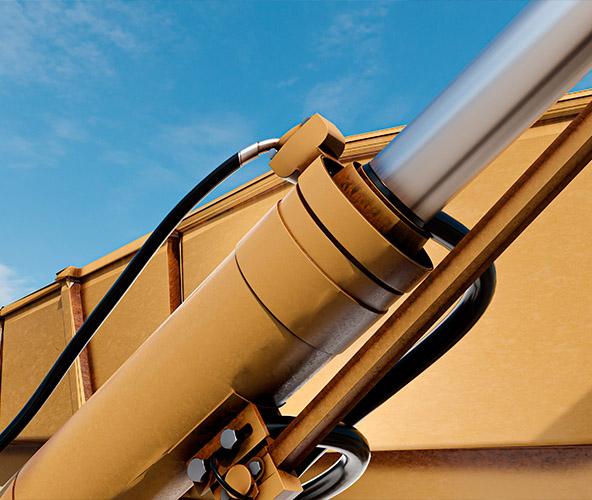
Hydraulic cylinders (ram/platen cylinders and bin lifter cylinders where fitted) convert pressure into force. If compaction force drops or cycles become inconsistent, cylinders and seals are often involved.
Valves and manifolds control direction, pressure regulation, and timing. If a compactor starts cycling “strangely” — like hesitating, jerking, or holding pressure poorly — valve issues are a common cause.
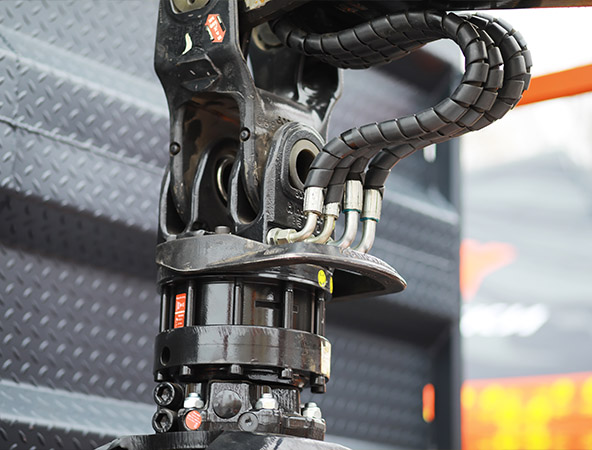
Finally, hoses and fittings connect the system and take the most physical abuse. In compactors, hoses fail often due to vibration, rubbing, tight bends, pinch points, and ageing.
The Most Common Hydraulic Problems (And What Usually Causes Them)
Most hydraulic failures show symptoms before they become critical. The key is understanding what the signs typically mean.
Daily Hydraulic Checks (Fast Checks That Prevent Downtime)
Daily checks should be quick, visual, and practical. You’re mainly looking for anything that signals the system is starting to degrade. Start by checking the hydraulic oil level using the sight glass or dipstick (if equipped). Low oil increases cavitation risk and creates heat, which accelerates seal and pump wear. If the machine repeatedly needs topping up, don’t treat it as “normal” — treat it as a leak fault.
Next, check for leaks around key points:
- cylinders and gland seals
- hose ends and crimp fittings
- valve blocks and manifold joints
- pump seals
- reservoir base
You should also listen to the machine during operation. Whining often indicates cavitation or air ingress, while knocking can signal pump damage. If you hear hissing, it may be oil escaping through a leak or relief valve. Finally, observe the cycle. If movement becomes sluggish, jerky, uneven, or louder than usual, hydraulics are often the cause, even if the compactor is still “working.”
Weekly / Monthly Hydraulic Maintenance
This is where you prevent failures instead of reacting to them.
Hoses should be checked for abrasion, cracks, swelling, rubbing points, and pinhole leaks. If a hose is rubbing, that hose is already on its way to failure — it’s not “fine.”
Cylinders should be inspected for rod damage (scoring or pitting) and oil residue around the gland seal. A slightly damaged rod will destroy seals quickly, and once seals fail, contamination becomes a bigger problem.
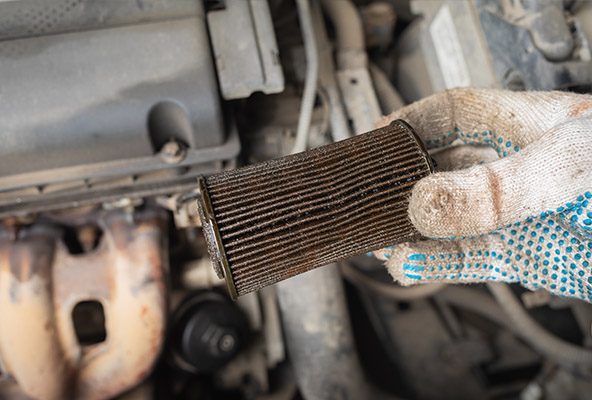
Filters also need to be treated as a primary service item. A partially blocked filter can cause pressure loss, overheating, and pump strain without obvious warning.
If your compactor uses more than one filter type (return line, suction strainer, pressure filter), make sure all filters are included in maintenance — not just whichever one is easiest to access.
Hydraulic Oil: What to Use and When to Change It
Oil isn’t just lubricant — it’s what transfers force through the entire system. Poor oil condition can cause slow cycles, pressure loss, overheating, and valve sticking.
Always use the manufacturer’s specified oil grade (for example ISO VG 32 / 46 / 68). Using oil that’s too thick or too thin can affect pressure stability and heat management.
Avoid mixing hydraulic oils unless the manufacturer specifically allows it. Mixing oils can cause additive separation, foaming, sludge formation, and reduced lubrication quality.
For many compactors, oil is replaced every 12–24 months depending on use and environment. High-use sites, dusty areas, high temperatures, or frequent breakdowns usually require earlier oil changes. In industrial operations, oil analysis is often the smartest option because it confirms oil health instead of guessing.
Hydraulic Filter Replacement Routine
Filters protect the most expensive parts of the system. If you replace filters too late, contamination spreads through pumps, valves, and cylinders.
A typical replacement guide is:
- New install / after repairs: first filter change after 50–100 hours
- Normal use: every 250–500 hours
- Harsh use: more frequently
If you’re unsure, replace sooner rather than later. Filters are cheap compared to valve blocks, pumps, and cylinder repairs.
How to Prevent Hydraulic Oil Contamination
If compactors had one “silent killer,” it would be contaminated oil. Contamination doesn’t just reduce performance — it destroys components gradually, and the damage becomes expensive before you notice it.
Most contamination comes from:
- water ingress
- airborne dust
- dirty transfer methods (funnels, open drums)
- internal wear particles
- failing seals
To reduce contamination risk, keep reservoir caps sealed, store oil drums indoors, use clean transfer pumps, wipe fittings before opening lines, and replace breathers regularly.
Common signs of contaminated oil include:
- milky appearance (water contamination)
- burnt smell (overheating)
- dark particles or sludge
- foaming
How to Bleed Air From a Waste Compactor Hydraulic System
Air in hydraulics causes jerky movement, noisy operation, reduced compaction force, and pump cavitation. If air continues cycling through the system, pump failure becomes much more likely.
Air typically enters through low oil level, loose suction fittings, cracked suction hoses, or damaged pump inlet seals. If air keeps returning, the suction side must be inspected and repaired — bleeding alone won’t solve it.
A basic bleeding method is:
- top up hydraulic oil
- run cycles slowly with minimal load
- monitor movement until it becomes stable
- check suction fittings and retighten if required
If air persists, stop operation. Running a pump with constant air ingress is one of the fastest ways to destroy it.
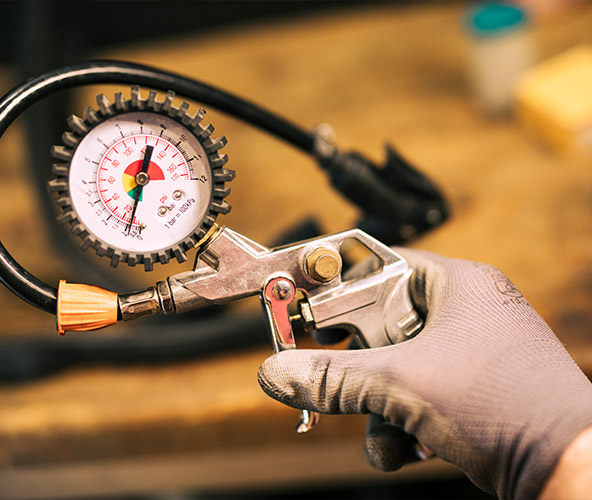
Hydraulic Pressure Testing and Calibration (When Performance Changes)
If compaction performance drops or cycles slow down, pressure testing is the fastest way to confirm whether the system is still operating correctly.
Pressure should be checked:
- when compaction force decreases
- when cycle speed reduces
- after pump or valve replacement
- during annual servicing
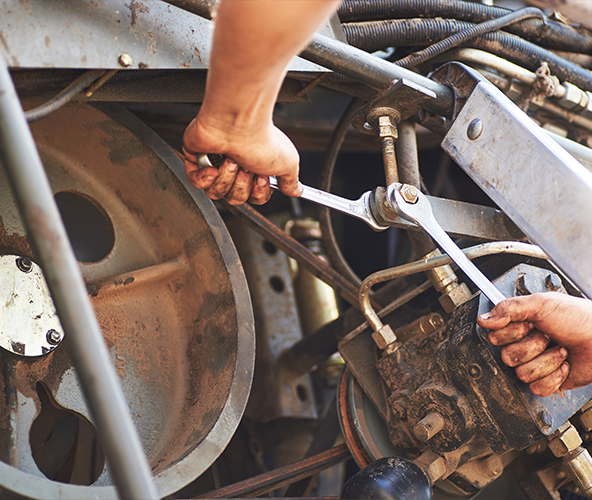
Technicians typically check working pressure, relief valve settings, pressure drop across filters, and cylinder holding performance. Pressure testing should always be done by trained personnel using rated gauges, since hydraulic systems operate at dangerous pressure levels.
Hydraulic Maintenance Safety Notes
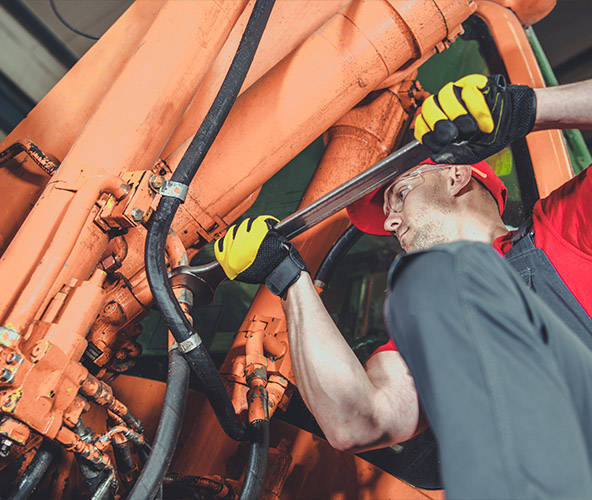
Hydraulic systems are dangerous because pressure can remain trapped even when equipment is switched off. Sudden release can cause serious injury, and hydraulic injection injuries are medical emergencies even when the puncture looks minor.
Follow these basic rules:
- lockout/tagout before servicing
- relieve pressure before loosening hoses
- never check leaks using your hands
- wear eye protection and gloves
- keep clear of moving rams/platen
When You Should Call a Technician
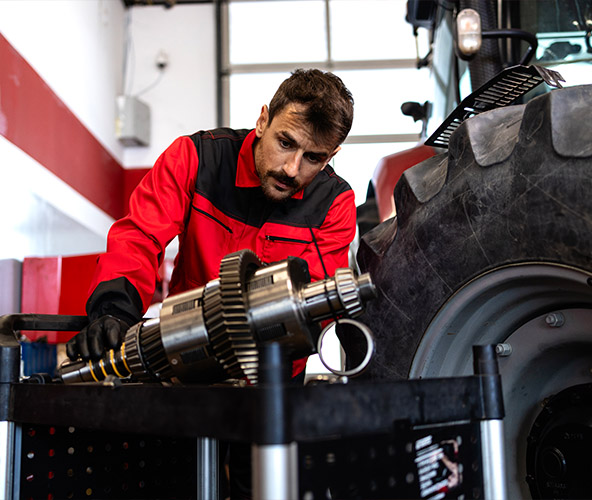
Some hydraulic issues can be monitored in-house, but certain faults need specialist tools and experience.
Contact a technician if you notice:
- repeated leaks after seals/hoses are replaced
- overheating returning quickly
- unstable pressure or inconsistent compaction force
- heavy vibration or loud pump noise
- contaminated oil returning after an oil change
- cylinder drift or internal bypass
Fixing hydraulic problems early usually prevents major component replacement.
Conclusion
Keeping Compactor Hydraulics Reliable
Most hydraulic breakdowns in waste compactors aren’t random — they’re caused by small problems that were visible early on. Leaks, poor oil condition, clogged filters, and overheating usually show warning signs first.
If you stay consistent with oil level checks, leak inspection, filtration changes, contamination control, and pressure monitoring, you can keep your compactor running smoothly and avoid expensive failures.

 Member of Waste Contractors and Recyclers Association of NSW.