

What Is a Hooklift Truck and How Does It Work?
If you’ve seen a truck swap out a large bin or body on a job site without using a crane, you’ve likely witnessed a hooklift in action. Hooklift trucks are one of the most versatile pieces of equipment in the waste, construction, and civil sectors — and yet they’re often misunderstood by buyers who are new to the category.
This guide explains exactly what a hooklift truck is, how the mechanism works, what bodies it can carry, and who it’s best suited for. You can also browse Wastecorp’s full hooklift range to see current models and specifications.
What Is a Hooklift Truck?
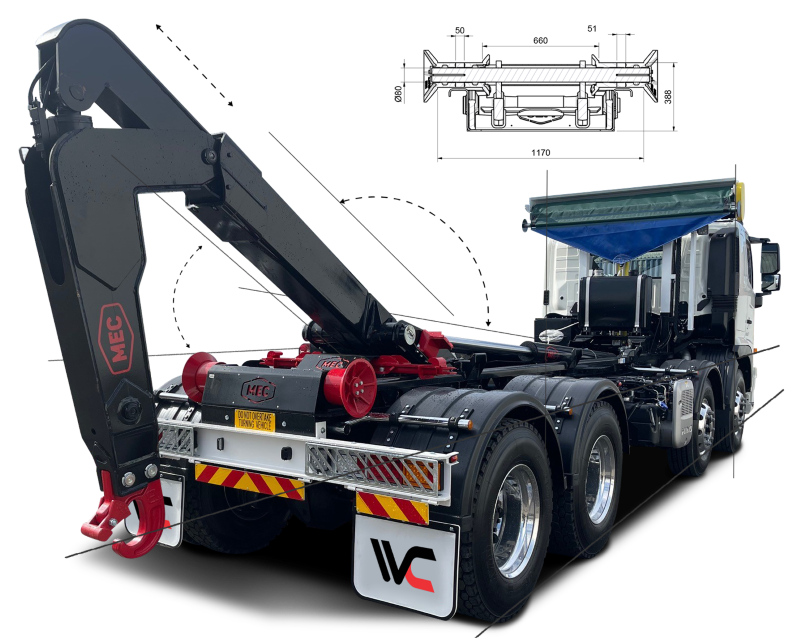
A hooklift truck is a rigid or articulated vehicle fitted with a hydraulic arm and hook system that allows it to pick up, carry, and deposit a range of interchangeable bodies or bins — without any manual lifting, chains, or crane equipment.
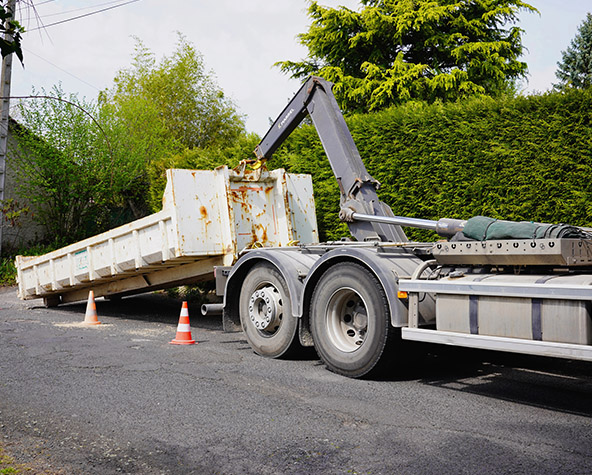
The defining feature of a hooklift is its ability to load and unload its own body. The driver can pick up an empty skip bin at a depot, deliver it to a job site, come back later to collect the full bin, and swap it for an empty one — all without leaving the cab for the loading operation.
This interchangeability is the core commercial advantage. One truck chassis can service multiple body types across different jobs, reducing the number of vehicles a fleet operator needs to own.
Think of a hooklift truck as a self-loading platform. The truck carries the hook system; the bins and bodies are separate, interchangeable assets that can be positioned and collected on demand.
How Does the Hooklift Mechanism Work?
The hooklift system is a hydraulically operated arm assembly mounted to the rear of the truck chassis, behind the cab. Here’s how a standard pick-up sequence works:
The entire load/unload cycle is typically completed in under two minutes by an experienced driver — significantly faster than manual or crane-assisted loading.
Hooklift vs. Roll-On Roll-Off (RORO): What’s the Difference?
These two terms are often used interchangeably in Australia, but they describe different systems.
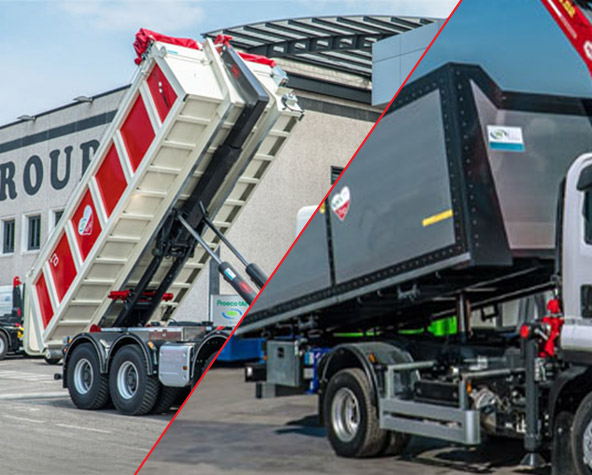
A Roll-On Roll-Off (RORO) truck uses a tipping frame that tilts the body to the ground and allows it to roll on and off using gravity and the truck’s winch. The body literally rolls on runners or skids. RORO systems are robust and well-suited to very heavy containers — often used for compactor bins and heavy industrial waste.
A hooklift uses the hook arm to pick up and carry the bin clear of the ground. The bin doesn’t roll — it’s lifted. This makes hooklifts faster to operate, more flexible across body types, and easier to use in confined spaces where the truck can’t easily approach from a straight-on angle.
In practice, hooklift trucks have largely replaced RORO trucks in new fleet purchases in Australia for most waste and civil applications, primarily because of their speed and operational flexibility. For a detailed comparison of how hooklifts stack up against skip loaders, see our post: Skip Loader vs Hooklift — Which Is Better for Construction Waste?
What Bodies Can a Hooklift Truck Carry?
This is where hooklift systems really shine. Because the hook mechanism is standardised, a single truck can carry a wide range of bodies and bins, provided they’re built to the compatible hookbar specification. Common bodies include:
- Open-top skip bins (4–30 cubic metre range)
- Compactor units — full compactor bodies can be mounted as a hooklift body, allowing the truck to deliver and collect pre-compacted loads
- Flat-top platforms — for civil and construction material haulage
- Tipper bodies — for sand, gravel, soil, and aggregate
- Water tanks and liquid containment bodies
- Recycling bins — often colour-coded and labelled for specific material streams
- Hooklift trailers — for moving bins between sites without the primary truck
- Site office and storage container bodies
The practical implication is significant: a single hooklift truck in a mixed construction or waste operation can replace multiple purpose-built vehicles. Get in touch with Wastecorp to discuss which body configurations suit your specific operation.
What Size Hooklift Truck Do You Need?
Wastecorp supplies hooklift systems across a range of chassis sizes and GVMs. In the Australian market, the most common categories are:
Light-Medium (GVM 8–12 tonne)
Typically suited to 4–8 cubic metre bins. Used in residential waste collection, small construction sites, and urban environments where a smaller footprint and tighter turning circle are advantageous. See the Wastecorp 5 Tonne Hooklift as an example of this class.
Medium (GVM 12–18 tonne)
The most common category for general waste contractors. Carries bins up to around 12–15 cubic metres. Balances payload capacity with accessibility on standard roads and commercial sites.
Heavy (GVM 18–32 tonne)
Used for large-volume waste, bulk materials, and compactor bodies. These trucks are suited to high-volume municipal contracts, transfer station operations, and industrial waste services. The Wastecorp 25 Tonne Hooklift is an example of this heavy-duty class.
When sizing, always work back from the body: if you know the filled weight of your heaviest bin and the body’s tare weight, you can determine the minimum GVM you need. Don’t rely on payload capacity alone — factor in the hooklift arm’s own rated lift capacity.
Key Specifications to Evaluate When Buying a Hooklift Truck
When assessing hooklift trucks from different suppliers, these are the specifications that matter most. The Wastecorp team is available to walk you through any of these specs for specific models — contact us here.
Hook Lift Capacity (tonnes)
The maximum weight the hook arm can lift and carry. This is separate from the truck’s GVM. Common ratings range from 8 to 30+ tonnes for the hook system itself. Match this to your heaviest anticipated body-plus-payload weight.
Body Length Compatibility
Hooklift systems are rated for specific body lengths. A system rated for a 5.4-metre body may not safely carry a 7-metre body, even if the truck’s GVM allows for the weight. Always check body length against the arm specification.
PTO and Hydraulic System
The hydraulic power take-off system drives the arm. Check oil flow rates and pressure ratings — underpowered hydraulic systems are a common cause of slow, unreliable hooklift operation on older or entry-level trucks. For more on maintaining hydraulic systems, see our hydraulic maintenance guide.
Control System
Modern hooklift trucks include cab-mounted controls and often remote radio control for the arm. Remote controls allow the driver to observe the hook engagement and body seating from the optimal vantage point, improving safety and reducing mis-loads.
Sub-Frame Design
The sub-frame that the body sits on affects stability in transit and the wear characteristics of both the truck and the bin. Look for heavy-gauge steel construction with proper roller and guide systems.
Common Applications in Australia
Hooklift trucks are used across a broad range of Australian industries. If you’re weighing up a hire arrangement before committing to purchase, Wastecorp’s hire fleet gives operators the option to trial equipment on live operations.
Maintenance Considerations
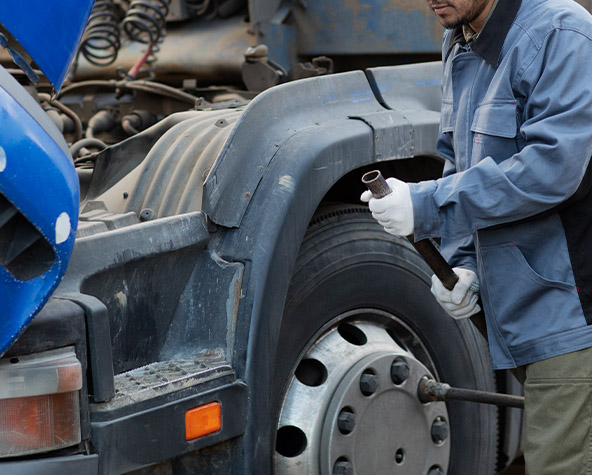
Hooklift trucks are generally robust, but the arm and hydraulic system require consistent maintenance to perform safely. For a detailed breakdown of hydraulic servicing best practice, read our hydraulic maintenance guide for waste compactors — many of the same principles apply to hooklift hydraulics.
- Hydraulic fluid condition and level should be checked at every scheduled service
- Hook and hookbar wear surfaces need regular inspection — worn hooks are a load safety risk
- Cylinder seals and hose fittings are common wear items on high-cycle trucks
- Sub-frame roller and guide systems should be greased per manufacturer schedule
- PTO engagement and disengagement should be tested as part of the pre-start check
Operators who run hooklift systems hard — 15 to 20 lifts per day — should consider a higher-frequency maintenance schedule than the standard manufacturer intervals. Wastecorp’s parts and service team supports all equipment we supply and can help establish a service plan suited to your cycle count.
Maintenance Considerations
Hooklift trucks are generally robust, but the arm and hydraulic system require consistent maintenance to perform safely. For a detailed breakdown of hydraulic servicing best practice, read our hydraulic maintenance guide for waste compactors — many of the same principles apply to hooklift hydraulics.
- Hydraulic fluid condition and level should be checked at every scheduled service
- Hook and hookbar wear surfaces need regular inspection — worn hooks are a load safety risk
- Cylinder seals and hose fittings are common wear items on high-cycle trucks
- Sub-frame roller and guide systems should be greased per manufacturer schedule
- PTO engagement and disengagement should be tested as part of the pre-start check
Operators who run hooklift systems hard — 15 to 20 lifts per day — should consider a higher-frequency maintenance schedule than the standard manufacturer intervals. Wastecorp’s parts and service team supports all equipment we supply and can help establish a service plan suited to your cycle count.
Is a Hooklift Truck Right for Your Operation?
A hooklift truck is an excellent investment if you need versatility, multi-site serviceability, and flexibility across waste and material streams. If you’re still comparing options, our article on skip loaders vs hooklifts breaks down the decision in detail.
A hooklift truck is an excellent investment if:
- You service multiple sites and need to leave equipment behind
- Your waste or material streams vary and you need body flexibility
- You want to reduce total fleet size by consolidating multiple vehicle roles into one chassis
- Speed of bin exchange is important to your operational model
- You operate in construction, waste, civil, or recycling sectors
It may not be the right choice if:
- You operate a single-stream, high-volume collection route where a dedicated compactor truck is more cost-effective per tonne
- Your routes involve very restricted access where even a rigid hooklift chassis is too large — a skip loader may suit better
- Your bin sizes are too small for standard hooklift systems
Still unsure? Our team at Wastecorp Equipment regularly helps operators work through the decision between hooklift, skip loader, and RORO configurations. Get in touch for an obligation-free conversation about your specific operation.
Explore our full hooklift range including current models and specifications, or contact the Wastecorp team to discuss your requirements.
FAQ’s
What is a hooklift truck used for?
A hooklift truck is used to transport and swap interchangeable bins or bodies across job sites. It’s commonly used in waste management, construction, civil works, and recycling operations.
How does a hooklift system work?
A hydraulic arm with a hook engages a bin’s hook bar, lifts it onto the truck, and secures it for transport. The process is controlled from the cab and typically takes under two minutes.
What are the advantages of a hooklift truck?
Hooklift trucks offer versatility, faster loading times, reduced labour, and the ability to use one truck for multiple applications by swapping different body types.
What types of bins or bodies can a hooklift carry?
Hooklift trucks can carry skip bins, compactor bodies, flatbeds, tipper bodies, recycling bins, and even site storage containers, depending on compatibility.
What size hooklift truck do I need?
This depends on your workload and bin sizes. Smaller trucks suit urban jobs, while larger GVM trucks are better for heavy-duty waste, construction, or industrial use.
What is the difference between a hooklift and a RORO truck?
Hooklifts lift bins using a hydraulic arm, while RORO trucks roll bins on and off using a tilting frame and winch. Hooklifts are generally faster and more versatile.
Are hooklift trucks suitable for construction sites?
Yes, they are widely used in construction and demolition for handling bulk waste and materials, allowing quick bin swaps across multiple sites.
How much weight can a hooklift truck carry?
Hooklift capacity varies by model, typically ranging from 8 tonnes to 30+ tonnes, depending on the hydraulic system and truck configuration.
What maintenance does a hooklift truck require?
Regular maintenance includes checking hydraulic systems, inspecting hook components, servicing cylinders and hoses, and maintaining the sub-frame and rollers.
Is a hooklift truck a good investment for my business?
A hooklift truck is ideal if you need flexibility, multi-site servicing, and the ability to reduce fleet size by using one truck for multiple applications.

 Member of Waste Contractors and Recyclers Association of NSW.