

What to Consider When Buying Waste Collection Trucks in Australia
Buying a waste collection truck is one of the most significant capital investments a fleet manager, council, or waste contractor can make. Get it right and you have a reliable, productive asset that pays for itself over years of daily use. Get it wrong and you’re looking at costly downtime, compliance headaches, and a truck that simply doesn’t suit the routes it was bought for.
Australia’s waste sector has its own set of variables — state regulations, diverse road types, extreme climate zones, and a growing push toward sustainability. This guide walks through every major consideration so you can make a confident, well-informed purchasing decision.
Understand the Types of Waste Collection Trucks
Before comparing specs or pricing, it helps to understand which class of vehicle you actually need. Wastecorp’s full product range covers several distinct truck types, each suited to specific waste streams and service environments.
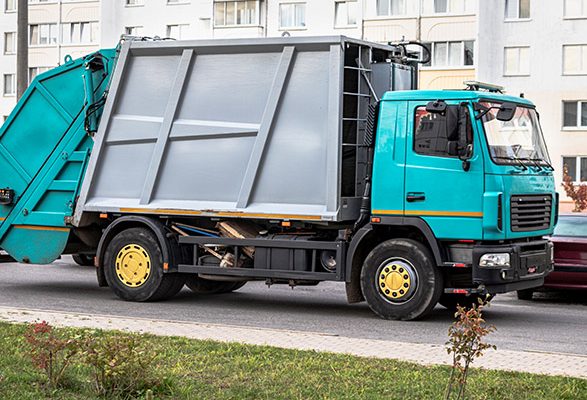
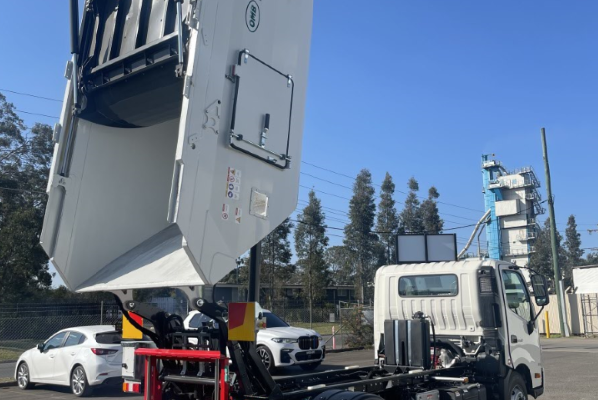
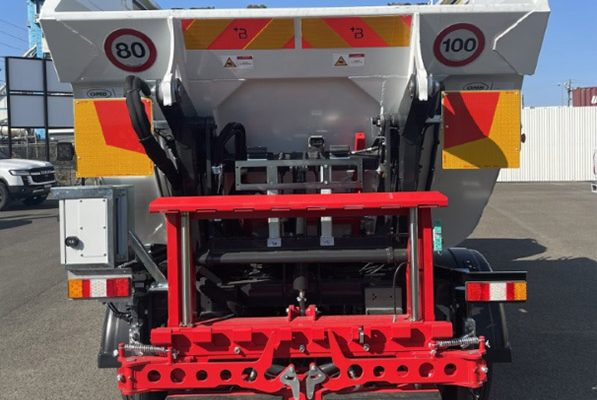
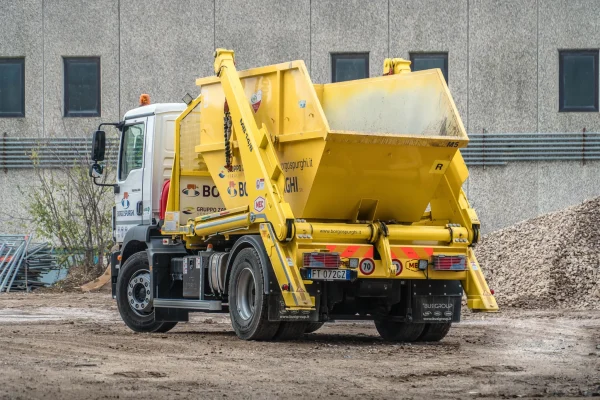
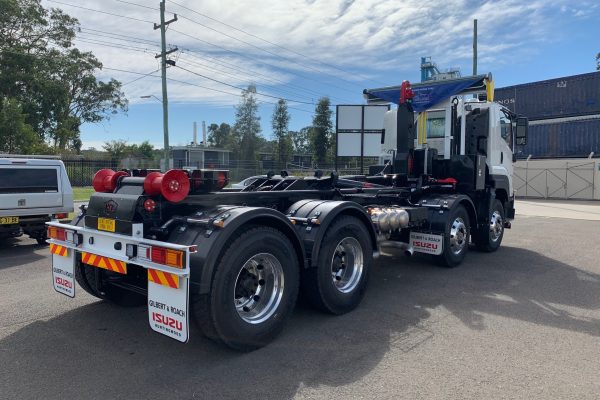
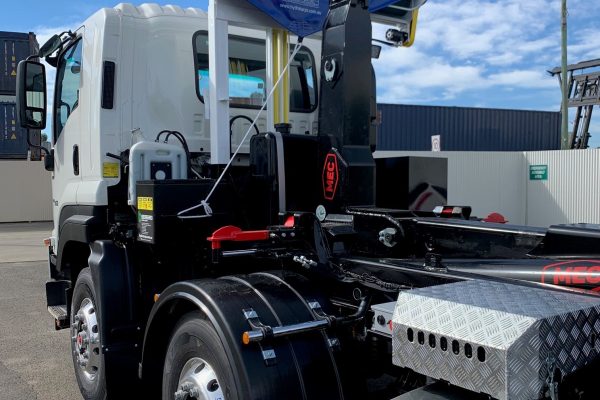
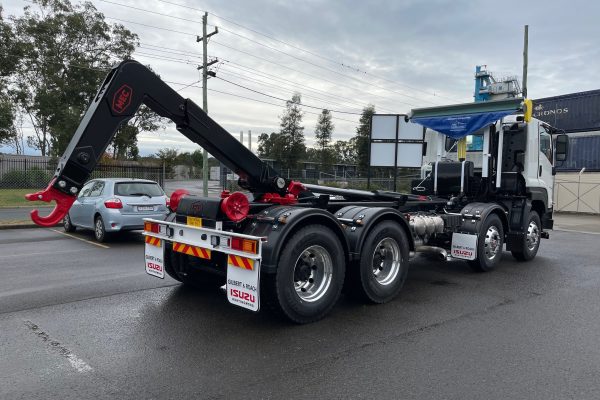
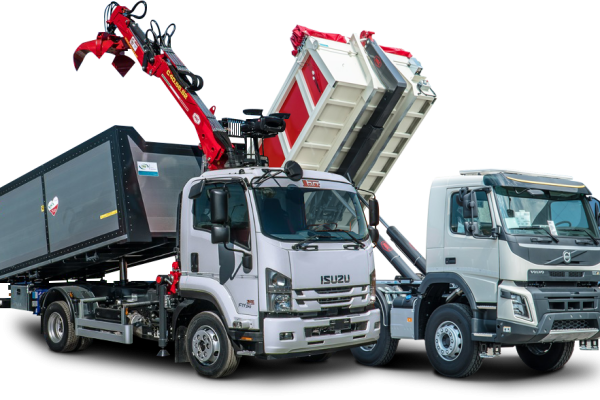
Pro tip: Many operators underestimate how much the truck type will define their operational model. A side loader that reduces crew requirements by one person per route can offset its higher purchase price within two to three years on a busy council contract. Browse the full Wastecorp product range to compare options side by side.
Payload and Body Capacity
Matching payload capacity to your waste stream is critical. An undersized truck means more trips; an oversized truck means you’re burning diesel unnecessarily and potentially running underloaded, which can cause mechanical issues over time. Contact the Wastecorp team if you’d like help calculating the right payload for your routes.
In Australia, GVM (Gross Vehicle Mass) limits apply per jurisdiction. For trucks operating on public roads, you’ll need to account for:
- The unladen (tare) weight of the truck and body
- The weight of the compacted waste load
- Any ancillary equipment such as bin lifters or crane attachments
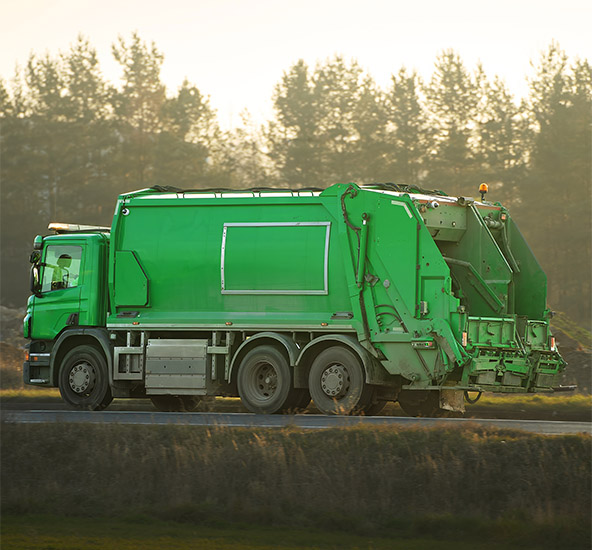
As a general guide, a standard rear loader running suburban kerbside routes might target a payload capacity of around 8–12 tonnes, while a front end loader servicing commercial bins could carry 15+ tonnes per trip.
Always confirm axle load limits for the specific routes you’ll be operating. Overloading fines in Australia are significant, and some council contracts include weight compliance requirements as part of the tender.
New vs. Used Equipment
The new-versus-used question comes down to budget, risk tolerance, and intended service life. Both have a legitimate place in Australian fleet planning.
Buying New
- Full manufacturer warranty coverage
- Access to the latest safety and emissions technology
- Tailored spec configuration for your specific routes and waste stream
- Lower maintenance risk in the first three to five years
- Finance options with better interest rates — see Wastecorp’s finance page for available options
Buying Used
- Lower upfront capital outlay — often 30–60% less than new. Browse current used stock at Wastecorp for available vehicles
- Faster availability — no lead times for manufacturing or delivery
- Good value if buying ex-council or ex-fleet vehicles with documented service history
- Ideal for short-term contracts where long asset life isn’t required
If buying used, insist on a full mechanical inspection by an independent assessor and request the vehicle’s full service history. Pay particular attention to compactor hydraulics, body condition, and chassis fatigue on trucks with high cycle counts.
Key question to ask a used truck seller: How many lifts per day was this truck doing, and over how many years? A truck doing 500 lifts daily in a busy metro area ages far faster than one on a light regional run.
Compliance and Regulations
Australian waste operators must navigate a web of compliance requirements that vary by state and territory. Understanding these before purchase can save significant rework costs later.
Vehicle Standards
All waste trucks must comply with the Heavy Vehicle National Law (HVNL) and the associated Australian Design Rules (ADRs). Key compliance areas include braking systems, lighting, mirrors, and load restraint.
Chain of Responsibility
Under the HVNL, every party in the transport chain — including fleet owners and operators — can be held liable for safety breaches. Ensure any truck you purchase meets the current Chain of Responsibility (CoR) requirements before it enters service. The National Heavy Vehicle Regulator publishes current CoR guidance.
Emissions Standards
Newer diesel trucks in Australia must comply with Euro 5 or Euro 6 equivalent emission standards. Some state councils and waste contracts are also beginning to specify low-emission or zero-emission vehicle requirements, particularly in urban areas. If you’re planning for a 10+ year asset life, it’s worth considering where emissions standards are heading.
SafeWork Requirements
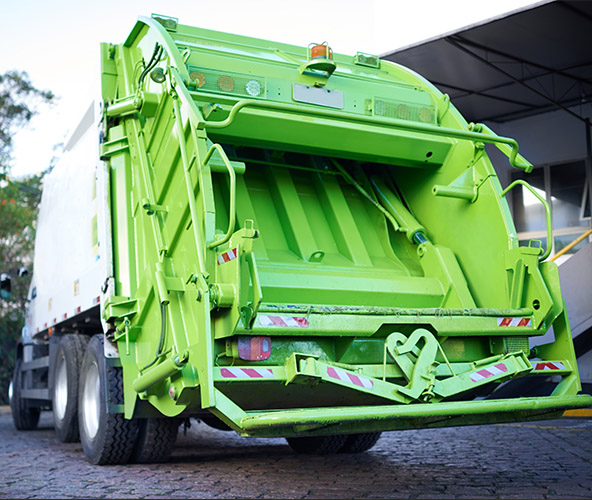
Rear and side loaders used in kerbside collection are subject to SafeWork guidelines around operator safety, visibility aids, and bin lifter certification. Always verify that the truck body and bin lifter combination you’re purchasing carries the relevant compliance documentation. Our parts and service team can advise on compliance requirements for specific equipment.
Chassis and Drive Train Considerations
The body and collection system tend to get most of the attention, but the chassis underneath is just as important. Australia’s geographic diversity means that a truck specced for Melbourne’s flat suburban grid may struggle on the unsealed access roads common in regional Queensland or the Northern Territory.
- Engine power and torque: High-cycle collection work is demanding. Ensure the engine is rated for stop-start urban duty cycles
- Automatic vs. manual transmission: Automatics are now standard on most new waste trucks and reduce driver fatigue significantly on high-frequency collection routes
- 4×4 or AWD options: Worth considering for rural or regional operations where soft ground or unmaintained roads are common
- Cab configuration: Day cab vs. sleeper, cab over vs. conventional — this matters for driver comfort on long shifts and depot space requirements
Bin Lifter Compatibility
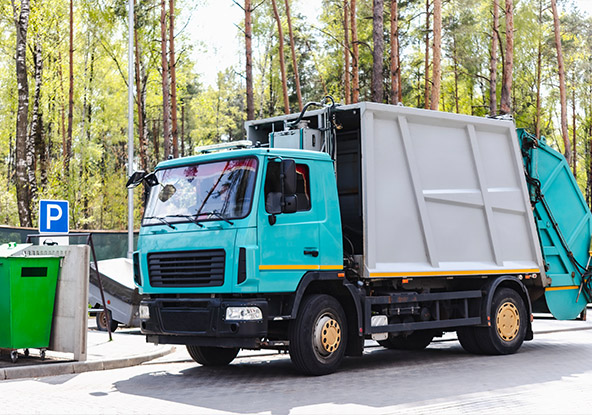
If your operation involves wheeled bin collection, the bin lifter is a critical piece of integrated equipment. Australian waste services commonly use 120L, 240L, and 660L bins, with some councils also running 1,100L mobile garbage bins (MGBs). For a detailed breakdown of council bin sizing, see our guide on what size bins councils use for green waste collection.
Confirm that any bin lifter attached to the truck is:
- Certified to AS 4792 or the relevant Australian standard
- Compatible with the bin sizes and types in your collection contract
- Regularly inspected and maintained — bin lifter failures are a common cause of injuries and service delays. Wastecorp’s parts and service team supports all waste equipment we supply
Total Cost of Ownership, Not Just Purchase Price
The sticker price of a waste truck is rarely the whole story. Experienced fleet managers evaluate equipment on total cost of ownership (TCO) over the expected asset life — typically seven to twelve years for waste collection vehicles.
Key TCO components to model:
- Fuel consumption per tonne collected (diesel cost is highly variable)
- Scheduled maintenance intervals and parts cost — read our hydraulic maintenance guide for waste compactors for an example of what to budget for
- Availability of parts and service support in your region
- Downtime frequency and cost of substitute vehicles
- Residual (resale) value at end of asset life
A truck that costs $30,000 more at purchase but saves $15,000 in fuel annually and requires half the maintenance over its life is almost always the better investment. Build a simple 10-year TCO model before signing any purchase order.
Supplier and After-Sales Support
In Australia, access to service support can be the deciding factor — particularly for operators in regional areas. A premium European-built truck with no dealer presence within 400km is a risk. Wastecorp Equipment provides parts and service support for all equipment we supply, and our team is available to assist operators across the country.
Ask every supplier:
- Where is the nearest authorised service centre to your main depot?
- What is the average lead time for common replacement parts?
- Is there a local technician available for on-site servicing, or does the truck need to travel to the workshop?
- What warranty terms apply, and what does the warranty exclude?
- Can you access a loan vehicle if the truck is off the road during warranty repairs?
Sustainability and Future-Proofing
Australia’s waste industry is under increasing pressure to reduce its carbon footprint. Wastecorp is a member of the Waste Contractors and Recyclers Association of NSW (WCRA) — an industry body that actively supports sustainable waste practices and regulatory compliance.
When speccing a new truck, consider:
- CNG (compressed natural gas) and LNG trucks are now commercially available in Australia and offer meaningful emissions reductions on high-utilisation routes
- Electric waste trucks are entering the Australian market — still limited range but improving, and well-suited to short urban routes
- Solar-assisted refrigeration and auxiliary power systems can reduce idle engine time
- Body materials matter: aluminium alloy bodies reduce tare weight and therefore improve payload efficiency
Choosing the Right Equipment Partner
A good equipment supplier does more than sell you a truck. They should understand your operation, help you configure the right spec, and stand behind the product with genuine after-sales support. At Wastecorp Equipment, we work with waste contractors, councils, and owner-operators across Australia to source and supply the right vehicle for the job.
Whether you’re buying your first collection truck or refreshing an ageing fleet, our team can help you spec correctly, understand your compliance obligations, and access competitive finance options.
Browse our full range of waste collection equipment or get in touch for an obligation-free consultation.
FAQ’s
What type of waste collection truck is best for my operation?
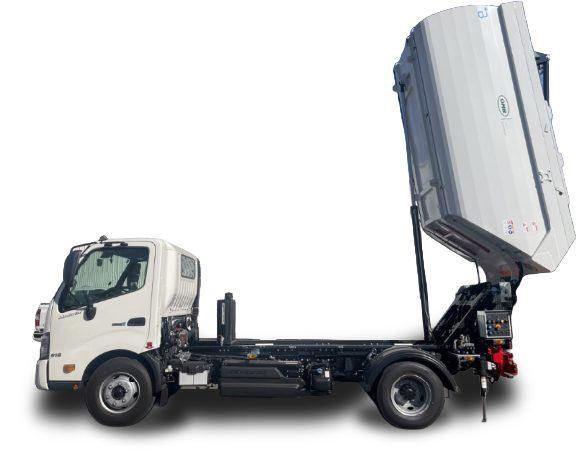
The right truck depends on your waste stream and routes. Rear loaders suit residential collection, side loaders are ideal for automated routes, and hooklift or skip loaders work best for construction and bulk waste.
How much does a waste collection truck cost in Australia?
Prices vary depending on type, size, and condition. New trucks can range from $250,000 to $500,000+, while used units may cost significantly less depending on age and usage.
Should I buy a new or used waste collection truck?
New trucks offer reliability, warranty, and modern technology, while used trucks reduce upfront costs. The best choice depends on your budget, contract length, and risk tolerance.
What payload capacity do I need for a waste truck?
This depends on your routes and waste type. Residential collection typically requires 8–12 tonnes, while commercial operations may need 15+ tonnes capacity.
What regulations apply to waste collection trucks in Australia?
Waste trucks must comply with the Heavy Vehicle National Law (HVNL), Australian Design Rules (ADRs), emissions standards, and Chain of Responsibility (CoR) requirements.
Are automated side loader trucks worth the investment?
Yes, for high-volume routes. They reduce labour costs, improve safety, and allow single-operator collection, often offsetting the higher upfront cost over time.
What should I check when buying a used waste truck?
Inspect service history, hydraulic systems, chassis condition, and usage cycles. High daily lift counts can significantly impact wear and lifespan.
How important is after-sales support when choosing a supplier?
Very important. Reliable access to parts, servicing, and technical support reduces downtime and keeps your operation running efficiently.
What are the ongoing costs of owning a waste collection truck?
Key costs include fuel, maintenance, repairs, downtime, insurance, and eventual resale value. Total cost of ownership is more important than purchase price alone.
Are there environmentally friendly waste truck options available?
Yes. Options include CNG, LNG, and electric trucks, as well as lightweight body materials that improve fuel efficiency and reduce emissions.

 Member of Waste Contractors and Recyclers Association of NSW.