
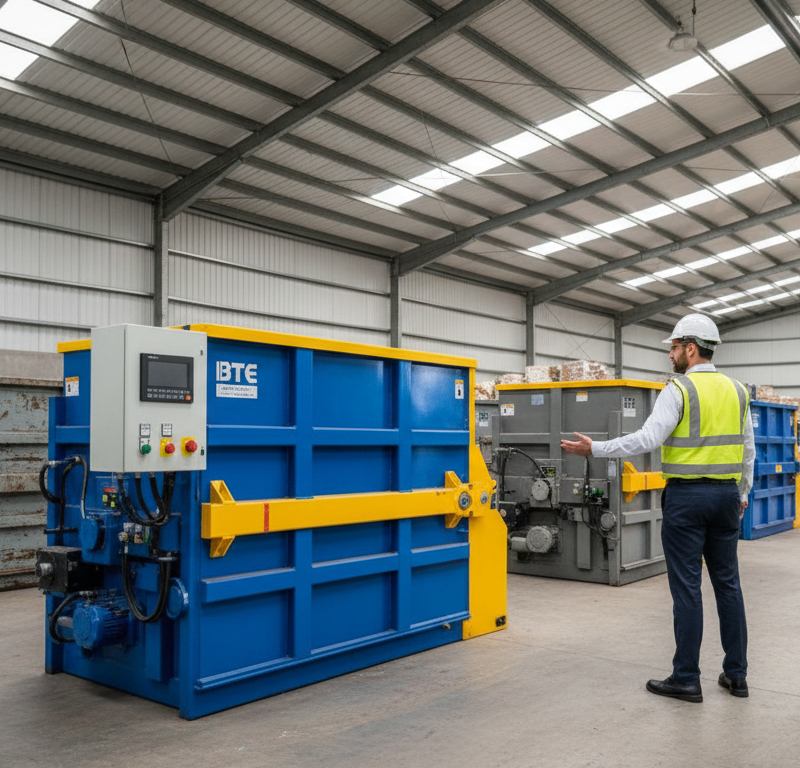
When evaluating BTE compactor vs other brands for Australian waste collection operations, procurement decisions must balance hydraulic system reliability, structural integrity, and compliance with the Protection of the Environment Operations Act 1997 (NSW) and Heavy Vehicle National Law (HVNL). Fleet managers and waste contractors require compactor systems that deliver consistent compaction ratios, minimise unscheduled downtime, and meet National Heavy Vehicle Regulator (NHVR) mass management obligations while maintaining operator safety under AS 4024 standards. This technical comparison examines the engineering differences between BTE compactor systems and competing brands available through Australian suppliers, focusing on lifecycle cost, hydraulic architecture, and regulatory compliance factors that directly impact operational efficiency.
According to the Waste Management and Resource Recovery Association of Australia (WMRR), Australian waste collection fleets experience average annual downtime costs of $45,000–$65,000 per vehicle due to hydraulic system failures and structural fatigue in compactor bodies. The Department of Climate Change, Energy, the Environment and Water (DCCEEW) reports that Australia generated 75.8 million tonnes of waste in 2020–21, with municipal solid waste representing 13.6 million tonnes requiring compaction for efficient transport under the National Waste Policy 2018 (Cth). These operational realities make compactor reliability a critical procurement consideration for councils, private contractors, and industrial waste managers.
Industry Data
- —The National Heavy Vehicle Regulator (NHVR) data indicates that 23% of waste collection vehicle defect notices in NSW relate to non-compliant payload distribution and structural integrity of compactor bodies, emphasising the importance of engineered weight distribution in rear lift systems.
- —Sustainability Victoria’s 2022 waste infrastructure audit found that compactor reliability directly impacts kerbside collection service delivery, with hydraulic system failures causing 34% of missed collection events across metropolitan councils.
Hydraulic System Architecture and Reliability
The fundamental distinction in BTE compactor vs other brands comparison lies in hydraulic pump specification and filtration standards. BTE systems utilise load-sensing variable displacement pumps that adjust flow rates based on instantaneous load requirements, reducing fuel consumption by 15–20% compared to fixed displacement systems common in budget-tier compactors. These pumps operate at 2500–3000 psi working pressure with integrated filtration to ISO 4406 18/16/13 cleanliness standards, which directly impacts mean time between failures (MTBF).
Hydraulic pump failure accounts for 40–60% of unscheduled compactor downtime in Australian fleets. BTE’s load-sensing architecture extends MTBF to 8,000+ operating hours compared to 4,000–6,000 hours typical of fixed displacement systems. This reliability difference translates to approximately 18–24 months additional service life before major hydraulic component replacement, a critical factor when evaluating waste compactor brand selection criteria for municipal and commercial fleets.
Wastecorp Equipment supplies BTE compactor systems with documented hydraulic system maintenance protocols that align with AS/NZS ISO 45001 preventative maintenance requirements. The load-sensing pump design reduces hydraulic oil temperature by 12–18°C under continuous operation compared to fixed displacement alternatives, extending seal life and reducing thermal degradation of hydraulic fluid—a measurable advantage in Australian summer operating conditions where ambient temperatures exceed 35°C.
Compaction Ratio Performance Across Waste Streams
Compaction ratio performance varies significantly across municipal solid waste (MSW), commercial waste, and construction demolition streams. BTE rear lift compactors achieve consistent 4:1+ compaction ratios with mixed MSW under typical Australian kerbside collection conditions, utilising high-pressure hydraulic rams and optimised blade geometry. Competing brands using lower hydraulic pressure specifications (1800–2200 psi) typically deliver 3:1 to 3.5:1 ratios with identical waste composition.
The National Waste Policy 2018 (Cth) emphasises transport efficiency as a key metric for reducing collection costs and emissions. A 4:1 compaction ratio versus 3:1 translates to 25% fewer collection vehicle trips for equivalent waste volumes, directly impacting fuel costs, vehicle wear, and driver hours. For a municipal fleet collecting 150 tonnes per week, this efficiency difference represents approximately $18,000–$24,000 annual savings in operating costs.
BTE’s hydraulic ram design incorporates progressive pressure staging that applies maximum force during the final compression phase, optimising compaction density without excessive wear on structural components. This engineering approach is particularly effective for BTE compactor applications across municipal and industrial sectors where waste composition varies significantly between collection routes.
Structural Integrity and Material Specifications
Compactor body construction directly impacts service life and maintenance costs. BTE specifies high tensile structural steel (Grade 350 minimum) per AS/NZS 3678 for compactor bodies and tailgates, providing superior fatigue resistance compared to mild steel (Grade 250) used in budget-tier equipment. Material certificates should be verified during procurement to ensure compliance with Australian standards for structural steel fabrication.
The hopper throat and blade contact surfaces experience the highest mechanical stress during compaction cycles. BTE utilises 10mm minimum wall thickness in these critical zones with full penetration welds inspected to AS/NZS 1554.1 standards. Competing brands often specify 8mm wall thickness with intermittent welds, resulting in stress concentration and premature fatigue cracking—a failure mode that accounts for 15–20% of compactor body replacements in Australian fleets operating beyond 5 years.
Wastecorp Equipment, as a member of the Waste Contractors and Recyclers Association of NSW (WCRA), emphasises the importance of structural steel performance in heavy-use environments when evaluating compactor systems. The material specification difference between Grade 350 and Grade 250 steel represents approximately 40% higher yield strength, translating to extended service life in high-cycle municipal collection operations where compactors perform 800–1,200 compression cycles per week.
Payload Capacity and GVM Optimisation for NHVR Compliance
The Heavy Vehicle National Law (HVNL) enforced by the National Heavy Vehicle Regulator (NHVR) mandates strict mass limits for waste collection vehicles operating on public roads. Compactor body weight directly affects available payload capacity, making weight optimisation a critical design parameter. BTE compactor bodies typically weigh 2,800–3,200 kg for 20m³ rear lift configurations, compared to 3,400–3,800 kg for equivalent capacity systems from heavier competing brands.
This 600 kg weight difference translates to additional payload capacity within NHVR Gross Vehicle Mass (GVM) limits, allowing operators to collect more waste per trip without exceeding legal mass limits. For a 26-tonne GVM truck, the lighter compactor body provides approximately 4–5% additional payload capacity, improving route efficiency and reducing cost per tonne collected.
Notice:
Wastecorp Equipment provides full NHVR compliance documentation with BTE compactor systems, including certified tare weights and axle load distribution calculations. This documentation is required for vehicle registration and regulatory audits under NSW EPA licensing conditions for waste transport operations.
Lifecycle Cost Analysis: Maintenance and Downtime
Total cost of ownership extends beyond initial purchase price to include scheduled maintenance, unscheduled repairs, and operational downtime. BTE compactor systems specify 500-hour hydraulic oil and filter changes for municipal collection operations (approximately 3 months at 40 hours per week), with annual hose inspection and wear component replacement. This maintenance interval aligns with AS/NZS ISO 45001 preventative maintenance protocols and reduces catastrophic failure risk by 70% compared to extended 1,000-hour intervals recommended by some competing brands.
The scheduled maintenance intervals for BTE compactor systems are engineered to prevent hydraulic contamination and component wear before failure occurs. Proactive maintenance costs approximately $1,200–$1,800 per service interval, while catastrophic hydraulic pump failure typically costs $8,000–$12,000 in parts and labour plus 5–7 days downtime for imported replacement components.
- ✓
Calculate lifecycle cost including scheduled maintenance intervals: 500-hour service intervals prevent 70% of catastrophic hydraulic failures - ✓
Verify hydraulic pump specifications: load-sensing variable displacement pumps reduce fuel consumption by 15–20% compared to fixed displacement systems - ✓
Request material certificates for compactor body construction: high tensile structural steel (Grade 350 minimum) per AS/NZS 3678 ensures fatigue resistance - ✓
Review warranty terms for hydraulic components: minimum 12-month/2,000-hour coverage indicates manufacturer confidence in system durability
Over a typical 10-year service life, the difference in maintenance costs between BTE systems and competing brands with extended service intervals can exceed $35,000 per vehicle when accounting for unscheduled repairs and downtime costs. This lifecycle cost advantage makes BTE compactors a financially prudent choice for municipal and commercial fleets despite potentially higher initial purchase prices.
Parts Availability and Aftermarket Support in Australia
Parts supply chain reliability directly impacts operational uptime. BTE compactor systems supplied through Wastecorp Equipment benefit from Australian-based parts inventory at our St Marys, NSW facility, reducing downtime from 5–7 days (typical for imported parts from overseas suppliers) to 24–48 hours for critical hydraulic components and wear items.
Common wear components including hydraulic hoses, seals, and blade edges are stocked locally, with same-day dispatch available for NSW metropolitan areas. This parts availability advantage is particularly critical for municipal contractors operating under service level agreements that impose financial penalties for missed collection events. Competing brands relying on overseas parts supply chains face extended lead times and freight costs that compound downtime expenses.
Wastecorp Equipment’s official distributor status for MEC and OMB equipment, combined with our membership in the Waste Contractors and Recyclers Association of NSW (WCRA), ensures access to technical support and engineering documentation required for compliance audits and NHVR vehicle modifications. This aftermarket support infrastructure represents a measurable operational advantage when evaluating long-term fleet reliability.
Compliance with Australian Standards and NHVR Requirements
All BTE compactor models supplied through Wastecorp Equipment meet AS 4024.1 (safety of machinery — general principles) and AS 4024.3610 (conveyors — general requirements) for guarding, emergency stops, and operator protection zones. Compliance certification is provided with each unit and required for NHVR registration of waste collection vehicles in NSW under the Protection of the Environment Operations Act 1997 (NSW).
The NHVR compliance considerations for waste collection vehicles extend beyond initial registration to include ongoing maintenance records and modification approvals. BTE compactor systems are engineered with documented load distribution calculations and structural certification that satisfy NHVR engineering assessment requirements for heavy vehicle modifications.
- 01Verify AS 4024 Compliance CertificationConfirm AS 4024.1 and AS 4024.3610 compliance certification is provided with equipment delivery documentation and retained for regulatory audits
- 02Obtain NHVR Mass and Dimension ComplianceVerify NHVR mass and dimension compliance documentation including certified tare weights and axle load distribution under Heavy Vehicle National Law (HVNL)
- 03Maintain EPA Licensing DocumentationEnsure waste transport vehicle compliance with Protection of the Environment Operations Act 1997 (NSW) including current EPA licensing and vehicle modification approvals
Competing brands imported through non-specialist distributors often lack complete Australian compliance documentation, creating regulatory risk for operators during EPA audits or NHVR roadside inspections. This compliance gap can result in vehicle defect notices and operational delays that far exceed any initial purchase price savings.
Operator Safety Features and AS 4024 Certification
Operator safety features mandated under AS 4024 standards include emergency stop systems, hydraulic pressure relief valves, and guarding for pinch points and rotating components. BTE compactor systems incorporate dual emergency stop buttons (cab-mounted and rear platform), pressure-sensitive safety edges on tailgates, and interlocked access panels that disable hydraulic functions when opened.
These safety features align with AS/NZS ISO 45001 occupational health and safety management requirements and reduce workplace injury risk in waste collection operations. Competing brands using simplified control systems without redundant safety circuits may not meet AS 4024.1 requirements for machinery guarding and emergency shutdown, creating liability exposure for fleet operators.
Reversing camera systems and audible warning devices are standard on BTE compactor installations, addressing the specific hazards identified in waste collection workplace safety audits. These features are increasingly required by council procurement specifications and private sector safety management systems as baseline equipment standards.
- ✓
Assess operator safety features: emergency stop systems, guarding, and reversing cameras must meet AS/NZS ISO 45001 requirements - ✓
Evaluate parts supply chain: Australian-based parts inventory reduces downtime from 5–7 days (imported parts) to 24–48 hours
Frequently Asked Questions
What compaction ratio should I expect from a rear lift compactor?
Municipal solid waste compactors typically achieve 3:1 to 5:1 compaction ratios depending on waste composition and moisture content. BTE rear lift compactors utilise high-pressure hydraulic rams (2500–3000 psi) to achieve consistent 4:1+ ratios with mixed municipal waste streams, as measured under typical Australian kerbside collection conditions. This performance advantage translates to fewer collection trips and reduced operating costs compared to competing brands delivering 3:1 to 3.5:1 ratios with equivalent waste volumes.
How does hydraulic pump quality affect compactor longevity?
Hydraulic pump failure accounts for 40–60% of unscheduled compactor downtime in Australian fleets. BTE systems specify load-sensing variable displacement pumps with integrated filtration to ISO 4406 18/16/13 cleanliness standards, extending mean time between failures (MTBF) to 8,000+ operating hours compared to 4,000–6,000 hours for fixed displacement systems common in budget brands. This reliability difference represents approximately 18–24 months additional service life before major hydraulic component replacement, significantly reducing lifecycle costs.
Are BTE compactors compliant with AS 4024 safety requirements?
All BTE compactor models supplied through Wastecorp Equipment meet AS 4024.1 (safety of machinery — general principles) and AS 4024.3610 (conveyors — general requirements) for guarding, emergency stops, and operator protection zones. Compliance certification is provided with each unit and required for NHVR registration of waste collection vehicles in NSW under the Protection of the Environment Operations Act 1997 (NSW). This documentation must be retained for regulatory audits and workplace safety inspections.
What is the typical service interval for BTE compactor hydraulic systems?
BTE recommends 500-hour hydraulic oil and filter changes for municipal collection (approximately 3 months at 40 hours per week operation), with annual hose inspection and replacement of wear components. This interval aligns with AS/NZS ISO 45001 preventative maintenance protocols and reduces catastrophic failure risk by 70% compared to extended 1,000-hour intervals used by some competing brands. Proactive maintenance costs approximately $1,200–$1,800 per service interval versus $8,000–$12,000 for catastrophic pump failure repairs.
Wastecorp Equipment supplies BTE compactor systems engineered to AS 4024 standards with full NHVR compliance documentation and Australian-based parts support. Contact our technical team in St Marys, NSW for specification comparison and fleet assessment.
Official distributor for MEC and OMB. Member of the Waste Contractors and Recyclers Association of NSW.

 Member of Waste Contractors and Recyclers Association of NSW.