
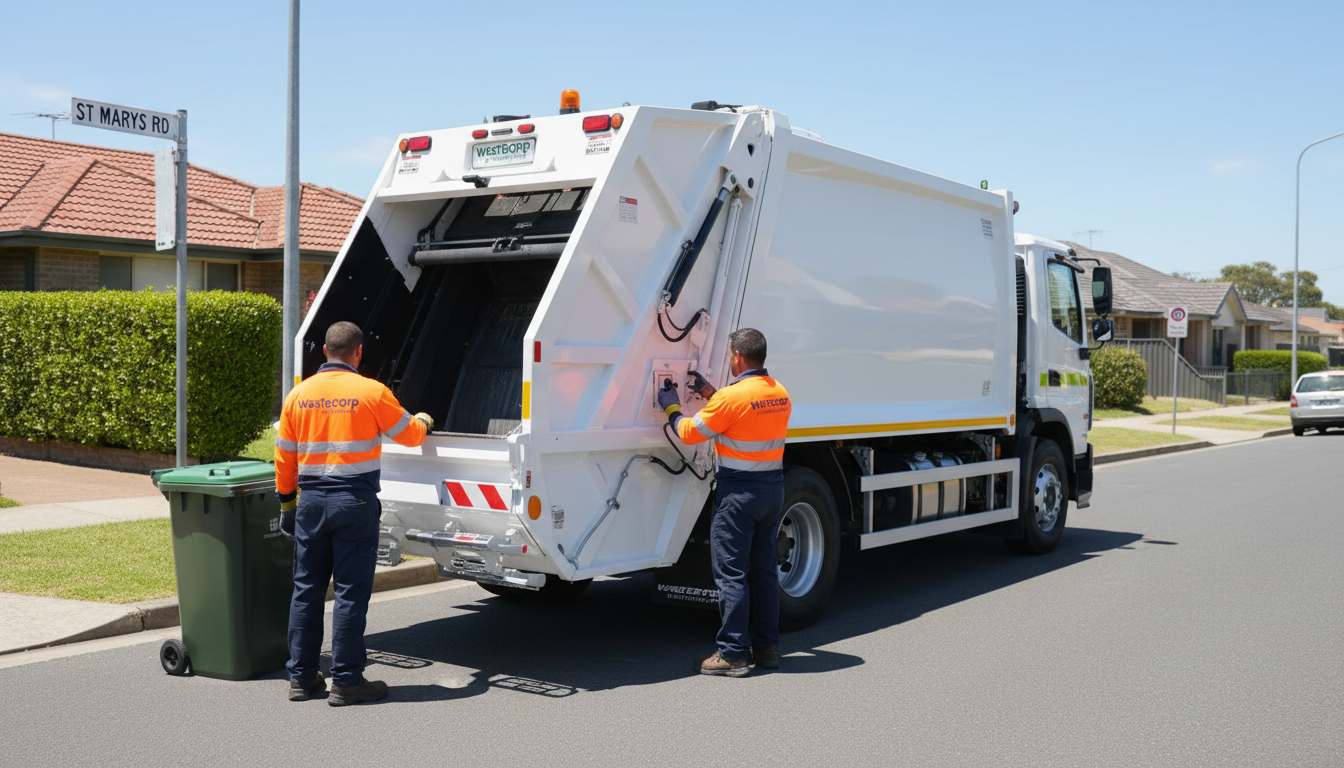
Fleet managers and council procurement officers evaluating OMB rear lift vs European rear lifts face a critical decision that impacts collection efficiency, maintenance costs, and regulatory compliance under the Protection of the Environment Operations Act 1997 (NSW). The choice between OMB’s Italian-Australian engineering and established European brands like Geesink, Faun, and Zoeller involves detailed analysis of hydraulic system architecture, parts logistics, and compatibility with Australian truck drivelines and bin standards. This comparison addresses the technical and operational factors that determine which rear lift system delivers optimal total cost of ownership for Australian waste collection operations, building on broader rear lift system selection criteria for Australian conditions.
Industry Data
- —The Australian Bureau of Statistics reported 67 million tonnes of waste generated nationally in 2020-21, with municipal solid waste collection relying heavily on rear lift compactor systems for kerbside service (ABS, Waste Account Australia Experimental Estimates 2021)
- —According to the Department of Climate Change, Energy, the Environment and Water, Australia’s National Waste Policy 2018 targets 80% average recovery rate from all waste streams by 2030, requiring fleet operators to maximise collection efficiency and vehicle uptime (DCCEEW, National Waste Policy Action Plan 2019)
OMB Design Philosophy and Engineering
OMB rear lift systems reflect Italian hydraulic engineering adapted specifically for Australian operating conditions and truck chassis configurations. The brand’s design philosophy prioritises robust structural steel construction with simplified hydraulic circuits that reduce component count and potential failure points. OMB employs high tensile structural steel in mainframe construction with yield strengths exceeding 350 MPa, providing durability under continuous cyclic loading in municipal collection routes.
Hydraulic architecture in OMB systems typically features load-sensing proportional valves operating at 60-80 litres per minute pump flow rates, matched to PTO-driven gear pumps integrated with Allison automatic transmissions and Eaton manual gearboxes common in Australian truck specifications. The OMB rear lift integration with Australian truck chassis involves subframe mounting systems engineered to distribute lifting loads across truck chassis rails without exceeding section modulus limits, critical for compliance with Heavy Vehicle National Law structural integrity requirements.
OMB lifting mechanisms employ fork-style bin engagement with adjustable tine spacing to accommodate Australian 240L mobile garbage bins conforming to AS 4123.7 dimensional standards. Lifting capacities range from 240 kg for residential collection units to 400 kg for commercial variants, with hydraulic cylinder bore sizes of 80-100 mm diameter providing sufficient force for fully loaded bins while maintaining cycle times of 18-24 seconds for complete lift, tip, and return operations. Wastecorp Equipment supplies OMB systems with factory certification documentation demonstrating compliance with Australian Standard AS 4024.1 requirements for machinery guarding and emergency stop functionality.
European Rear Lift Systems: Geesink, Faun, and Zoeller Design Approaches
European rear lift manufacturers including Geesink (Netherlands), Faun (Germany), and Zoeller (Germany) design systems optimised for EN 840 standard bins and European truck chassis configurations. These systems typically feature higher hydraulic flow rates of 80-120 litres per minute, delivering faster cycle times of 12-18 seconds to maximise collection productivity in dense urban environments with short dwell times between collection points.
Geesink systems employ comb-style lifting mechanisms with multiple engagement points designed for EN 840-1 and EN 840-2 bin standards, requiring adapter kits to interface with Australian MGB lifting lug configurations. Faun rear lifts incorporate electrohydraulic control systems with CAN bus integration, providing diagnostic capabilities and remote monitoring but introducing additional electrical complexity in harsh Australian operating environments where dust ingress and temperature extremes challenge electronic components.
Zoeller systems feature modular hydraulic valve blocks with cartridge-style components that simplify individual valve replacement but require specialised tooling and OEM parts unavailable through Australian hydraulic suppliers. European designs generally specify synthetic hydraulic fluids with ISO VG 46 viscosity grades optimised for European climate ranges of -10°C to +35°C, whereas Australian operations from Cairns to Hobart encounter ambient temperatures from -5°C to +45°C, affecting fluid viscosity and pump efficiency at temperature extremes.
Structural engineering in European systems often employs aluminium alloy components to reduce tare weight for European axle load regulations, but Australian operators prioritise steel construction for durability in high-tonnage applications where corrosion resistance and impact tolerance outweigh weight savings. European rear lifts typically mount to truck chassis using metric fastener specifications and hydraulic fittings with DIN 2353 compression fittings, whereas Australian service networks stock JIC 37-degree flare fittings and BSP threaded connections as standard inventory.
Hydraulic System Design and Component Durability
Hydraulic system architecture represents the primary differentiator in rear lift reliability and maintenance requirements. OMB systems employ open-centre hydraulic circuits with priority flow dividers that maintain consistent lifting speed regardless of engine RPM variation, critical for operator consistency during manual bin collection. Hydraulic cylinders in OMB designs feature hard chrome-plated piston rods with polyurethane rod seals rated for 210 bar working pressure, providing adequate safety margin below typical system pressures of 180-190 bar.
European systems increasingly specify closed-centre load-sensing hydraulics with electronic pressure compensation, reducing parasitic power loss and fuel consumption but requiring electronic control modules susceptible to vibration fatigue and moisture ingress. Geesink and Faun systems incorporate proportional joystick controls with electrical feedback, whereas OMB retains mechanical linkage control systems that eliminate electrical failure modes and simplify troubleshooting for field technicians without diagnostic software.
Component durability under Australian conditions favours simplified hydraulic circuits with fewer directional control valves and pressure-compensated flow controls. OMB hydraulic pumps typically specify cast iron housings with external gear designs delivering 60-80 L/min at 2000 RPM PTO speed, matched to truck engine power takeoff ratios. European systems often employ variable displacement piston pumps with swashplate designs that provide precise flow control but introduce additional wear surfaces and require synthetic hydraulic fluids unavailable through regional suppliers. The hydraulic system maintenance protocols for both system types require regular oil analysis and filter replacement, but OMB systems accommodate conventional ISO VG 68 anti-wear hydraulic oils readily available across Australian service networks.
NHVR Compliance and Heavy Vehicle National Law Considerations
Rear lift system selection directly impacts Heavy Vehicle National Law compliance through effects on vehicle mass distribution and axle loading. The National Heavy Vehicle Regulator enforces bridge formula calculations that limit rear axle loading based on wheelbase and axle group configuration, with rear lift tare weight and bin payload contributing to total rear axle mass. OMB systems typically add 450-650 kg tare weight to truck chassis depending on lifting capacity and compactor body integration, whereas European systems with aluminium construction may reduce tare weight by 80-120 kg but require structural reinforcement for Australian payload requirements.
NHVR mass limits for rigid waste collection vehicles operating under General Mass Limits specify maximum rear axle group loading of 16.5 tonnes for tandem axle configurations, with individual axle ratings not exceeding 9.0 tonnes. Rear lift installation must account for maximum bin payload at full extension, creating a moment arm that increases rear axle loading beyond static weight distribution. OMB engineering documentation provided through Wastecorp Equipment includes chassis loading calculations demonstrating compliance with truck manufacturer GVM and axle ratings, critical for operators maintaining NHVR Chain of Responsibility obligations under Heavy Vehicle National Law.
European rear lift systems require similar compliance documentation, but metric engineering specifications necessitate conversion to Australian truck chassis ratings and verification that subframe mounting complies with truck manufacturer warranty requirements. Operators must ensure rear lift installation does not compromise chassis structural integrity or exceed section modulus limits specified in truck engineering drawings, with installation certification required for NHVR compliance audits and Protection of the Environment Operations Act 1997 (NSW) waste transport licensing.
Climate Suitability: Australian Operating Conditions vs European Design Parameters
Australian climate conditions from tropical Cairns to temperate Hobart impose operating requirements beyond European design parameters. Ambient temperatures exceeding 40°C in inland NSW and Queensland regions increase hydraulic oil temperatures to 80-90°C under continuous operation, approaching thermal limits for NBR seals and polyurethane rod seals common in European hydraulic cylinders. OMB systems specify Viton seals and high-temperature hydraulic fluids for Australian market applications, maintaining seal integrity and preventing hydraulic fluid degradation at elevated operating temperatures.
European rear lifts designed for continental climates incorporate hydraulic oil coolers sized for European summer temperatures of 30-35°C, requiring supplementary cooling capacity for Australian conditions. Inadequate hydraulic cooling reduces fluid viscosity, increasing internal leakage across pump and cylinder seals and extending cycle times during peak temperature periods. OMB engineering accounts for Australian thermal conditions with oversized hydraulic reservoirs providing increased oil volume for heat dissipation and optional hydraulic oil coolers integrated with truck cooling systems.
Dust ingress represents another environmental challenge for European systems with electronic controls and CAN bus integration. Australian waste collection operations in regional areas expose hydraulic systems to fine dust that penetrates electrical connectors and control modules, causing intermittent faults and diagnostic complexity. OMB mechanical control linkages eliminate electronic failure modes in dusty environments, while European systems require additional environmental sealing and regular connector cleaning to maintain reliability. Coastal operations in Sydney, Newcastle, and Wollongong introduce salt spray corrosion that affects aluminium components and electrical connections, favouring OMB’s steel construction and simplified electrical architecture.
Parts Availability and Service Network
Parts logistics and service network density directly impact fleet availability and total cost of ownership. OMB systems benefit from Australian parts inventory maintained by Wastecorp Equipment and regional distributors, with hydraulic cylinders, seal kits, and control valves available ex-stock for next-day delivery to major centres across NSW, Victoria, and Queensland. The OMB maintenance intervals and NSW service requirements align with standard truck service schedules, allowing operators to coordinate rear lift maintenance with chassis servicing and minimise downtime.
European OEM parts for Geesink, Faun, and Zoeller systems require 8-16 week shipping from European warehouses unless operators maintain local spares inventory. Hydraulic cylinders with metric bore sizes and proprietary seal configurations necessitate OEM parts rather than aftermarket alternatives available through Australian hydraulic suppliers. Electronic control modules and CAN bus components require factory programming and diagnostic software unavailable to independent service providers, limiting repair options to authorised dealers and extending vehicle downtime during component failure.
Service network density favours OMB systems with mobile hydraulic service providers across regional Australia capable of performing cylinder rebuilds, seal replacement, and hydraulic troubleshooting using standard tooling and readily available components. European systems require specialised training and diagnostic equipment, concentrating service capability in metropolitan areas and creating logistical challenges for regional operators. Wastecorp Equipment’s membership in the Waste Contractors and Recyclers Association of NSW provides access to industry service networks and technical support resources that reduce downtime and maintenance costs for OMB-equipped fleets.
Bin Compatibility and Lifting Mechanism Differences
Lifting mechanism design determines bin compatibility and operational flexibility across mixed collection routes. OMB fork-style lifting systems engage Australian 240L MGB bins through lifting lugs conforming to AS 4123.7 dimensional standards without modification or adapter kits. Fork tine spacing adjusts from 580 mm to 720 mm to accommodate both standard residential bins and commercial 660L and 1100L bins with varying lug configurations, providing operational flexibility for contractors servicing multiple council contracts with different bin specifications.
European comb-style lifting mechanisms feature multiple engagement points designed for EN 840 bin standards with different lifting lug positions and spacing compared to Australian bins. Geesink and Faun systems require comb adapter kits to interface with Australian MGB bins, adding 40-60 kg tare weight and introducing additional pivot points subject to wear and maintenance. Comb mechanisms provide faster engagement for experienced operators but require precise bin positioning, whereas OMB fork systems tolerate greater positioning variation and reduce operator skill requirements for casual or agency labour.
Lifting capacity differences affect operational capability for commercial collection routes with heavy industrial waste. OMB commercial-grade rear lifts specify 400 kg maximum bin payload at full extension, providing adequate capacity for fully loaded 660L bins with dense waste streams. European systems often rate lifting capacity at 300-350 kg based on EN 840 bin weights, requiring payload management and operator training to prevent overloading and hydraulic system damage. Bin retention mechanisms also differ, with OMB employing mechanical latches and European systems incorporating electrohydraulic locks that require electrical power and introduce additional failure modes.
Total Cost of Ownership Analysis
Total cost of ownership extends beyond initial capital expenditure to encompass maintenance costs, parts availability, downtime, and residual value over typical fleet service life of 7-10 years. OMB rear lift systems typically command purchase prices 12-18% lower than equivalent European systems due to reduced freight costs, absence of import duty on Italian-origin components assembled in Australia, and simplified hydraulic architecture requiring fewer precision-manufactured components. Initial capital savings range from $8,000 to $15,000 per unit depending on lifting capacity and compactor body integration.
Maintenance cost differentials favour OMB systems through parts availability and compatibility with standard Australian hydraulic components. Hydraulic cylinder rebuilds using locally sourced seals and bushings cost $800-1,200 for OMB systems compared to $2,500-3,500 for European OEM cylinders requiring metric seals and imported components. Annual hydraulic system maintenance including oil changes, filter replacement, and hose inspection averages $1,400-1,800 for OMB systems versus $2,200-2,800 for European systems requiring synthetic fluids and specialised diagnostic procedures.
Downtime costs represent the most significant operational expense differential. OMB parts availability enabling same-day or next-day repairs limits vehicle downtime to 1-2 days for typical hydraulic failures, whereas European parts lead times of 8-16 weeks force operators to maintain expensive spares inventory or accept extended downtime. At typical waste collection revenue rates of $800-1,200 per vehicle per day, extended downtime for European system repairs costs $6,400-19,200 per failure event, overwhelming initial capital savings and creating cash flow challenges for smaller operators.
Broader waste collection truck procurement considerations include residual value and secondary market liquidity. OMB-equipped vehicles maintain stronger residual values in Australian used truck markets due to parts availability and service network familiarity, whereas European rear lift systems deter buyers concerned about parts logistics and specialist service requirements. Fleet managers should model total cost of ownership over full service life including capital cost, maintenance, downtime, and residual value to determine optimal system selection for specific operational requirements.
When to Choose OMB vs European Systems
OMB rear lift systems deliver optimal value for operators prioritising parts availability, service network access, and compatibility with Australian bin standards. Regional waste contractors operating outside metropolitan areas benefit from OMB’s simplified hydraulic architecture serviceable by local mobile hydraulic providers without specialised diagnostic equipment or OEM training. Municipal fleets with mixed residential and commercial collection routes require OMB’s native compatibility with AS 4123.7 bin standards and adjustable fork spacing accommodating varied bin configurations without adapter kits.
European rear lift systems suit operators requiring maximum collection productivity through faster cycle times and advanced control systems. Metropolitan councils with dense urban collection routes and short dwell times between bins benefit from European systems’ 12-18 second cycle times reducing route completion time by 8-12% compared to OMB systems. Large fleet operators with dedicated maintenance facilities and parts inventory capacity can absorb European parts lead times and leverage electrohydraulic control systems for fleet management integration and remote diagnostics.
Climate considerations favour OMB systems for operators in inland NSW, Queensland, and Northern Territory regions where ambient temperatures exceed 40°C and dust ingress challenges electronic control systems. Coastal operators in corrosive salt spray environments benefit from OMB’s steel construction and mechanical control linkages that eliminate electrical failure modes. Operators should also consider alternative collection methods through comparison of rear lift systems versus skip loaders for urban collection when evaluating fleet composition and operational requirements.
Fleet standardisation represents another critical decision factor. Operators with existing OMB-equipped fleets benefit from parts commonality, technician familiarity, and simplified training when expanding capacity. Conversely, operators committed to European systems across multiple vehicle classes may justify European rear lift selection for maintenance procedure standardisation despite parts logistics challenges. Wastecorp Equipment provides technical consultation for fleet managers evaluating system selection based on route characteristics, service network access, and total cost of ownership modelling specific to operational requirements.
Frequently Asked Questions
Are OMB rear lifts compliant with NHVR mass and dimension requirements?
OMB rear lift systems are engineered to comply with Heavy Vehicle National Law mass limits when correctly specified to truck GVM and axle ratings. Installation must account for National Heavy Vehicle Regulator bridge formula calculations and ensure rear axle loading remains within manufacturer limits under maximum bin payload. Wastecorp Equipment provides chassis loading documentation demonstrating compliance with NHVR requirements and truck manufacturer structural specifications, critical for operators maintaining Chain of Responsibility obligations under Heavy Vehicle National Law. Proper specification requires analysis of rear lift tare weight, maximum bin payload, and moment arm effects on rear axle loading to verify compliance with 16.5 tonne tandem axle group limits and individual 9.0 tonne axle ratings under General Mass Limits.
What is the typical hydraulic pump flow rate difference between OMB and European rear lifts?
OMB systems typically operate at 60-80 litres per minute with load-sensing proportional valves, while European systems like Geesink and Faun often specify 80-120 L/min for faster cycle times. Higher flow rates reduce collection dwell time but increase PTO fuel consumption and hydraulic oil temperature in Australian summer conditions. OMB’s lower flow rate design prioritises hydraulic system longevity and thermal management over maximum cycle speed, resulting in 18-24 second cycle times compared to 12-18 seconds for European systems. Fleet managers should evaluate whether faster cycle times justify increased fuel consumption, hydraulic cooling requirements, and higher component wear rates based on specific route characteristics and collection productivity targets.
Can European rear lift systems handle Australian 240L MGB bins?
European rear lifts are designed for EN 840 standard bins and require comb adapter kits to lift Australian 240L mobile garbage bins with AS 4123.7 compliant lifting points. OMB systems are natively compatible with Australian MGB dimensions and lifting lug spacing without modification. Adapter kits add 40-60 kg tare weight and introduce additional pivot points subject to wear and maintenance, while also requiring precise bin positioning that increases operator skill requirements and collection time. Operators serving multiple council contracts with varied bin specifications benefit from OMB’s adjustable fork tine spacing accommodating 580-720 mm lug configurations without adapter changes, providing operational flexibility unavailable with European comb-style lifting mechanisms designed for standardised European bin dimensions.
What are the lead times for replacement hydraulic cylinders for OMB vs European brands?
OMB hydraulic cylinders are typically available ex-stock in Australia with 1-3 day delivery to major centres through Wastecorp Equipment and regional distributors. European OEM cylinders for Geesink, Faun, and Zoeller systems require 8-16 week shipping from Europe unless operators maintain local spares inventory, directly impacting fleet availability. Extended lead times force European system operators to either accept prolonged vehicle downtime or invest in expensive spares inventory including complete cylinder assemblies, seal kits, and control valves. At typical waste collection revenue rates of $800-1,200 per vehicle per day, 8-16 week downtime costs $44,800-134,400 per failure event, making parts availability the dominant factor in total cost of ownership analysis for most Australian fleet operators.
Wastecorp Equipment supplies both OMB and European rear lift systems with full NHVR compliance documentation and local hydraulic engineering support across NSW and Australia.
Official distributor for MEC and OMB. Member of the Waste Contractors and Recyclers Association of NSW.

 Member of Waste Contractors and Recyclers Association of NSW.